
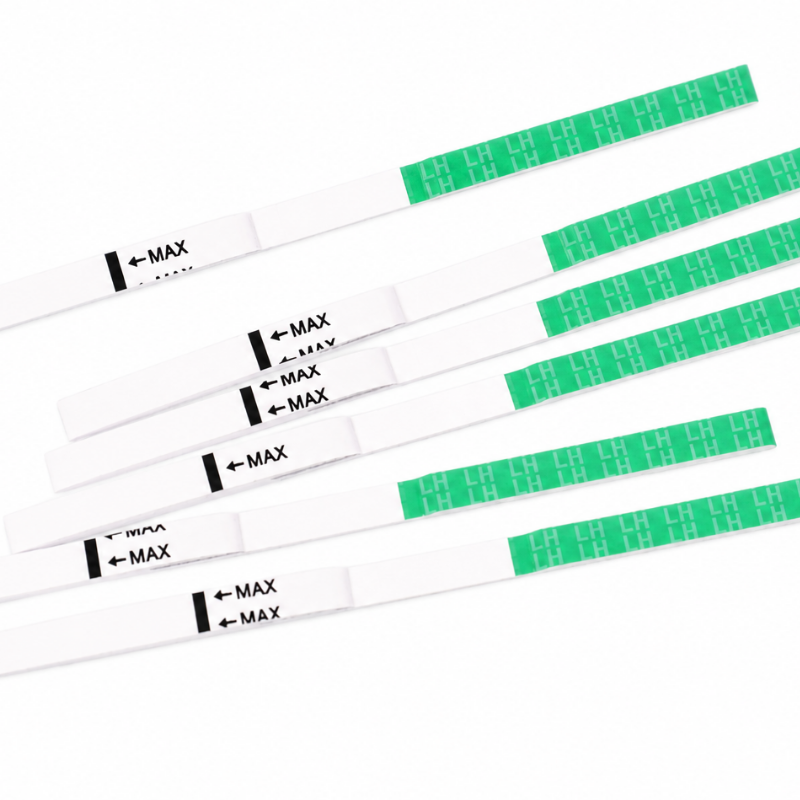












Predict Ovulation With Greater Confidence
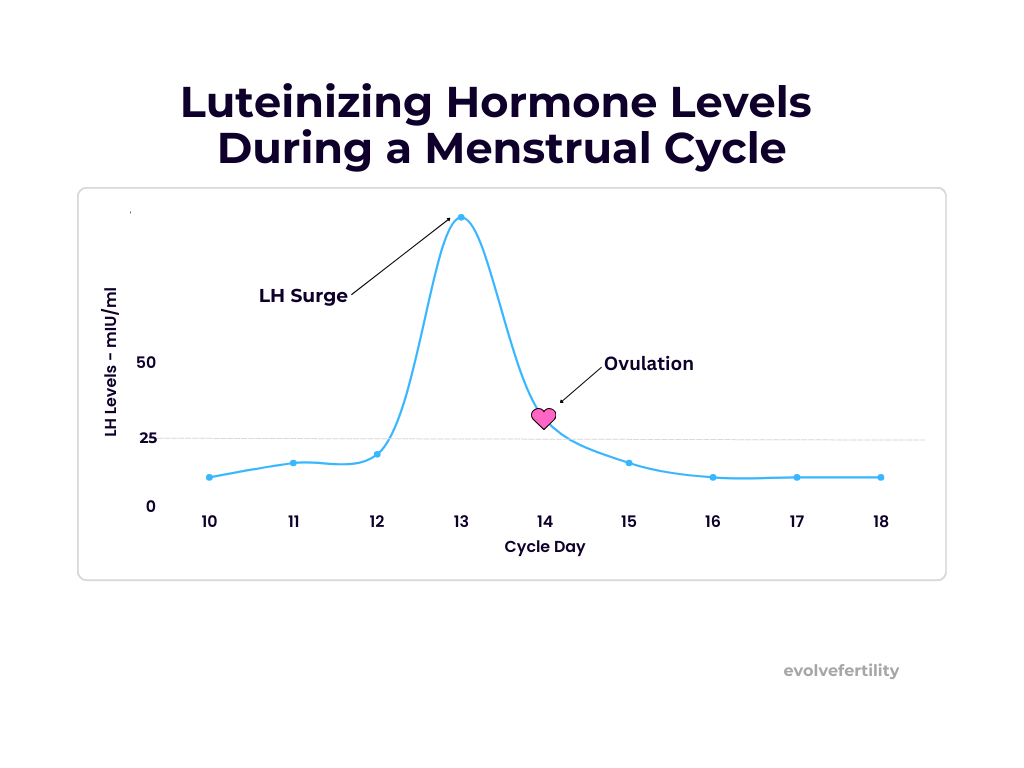
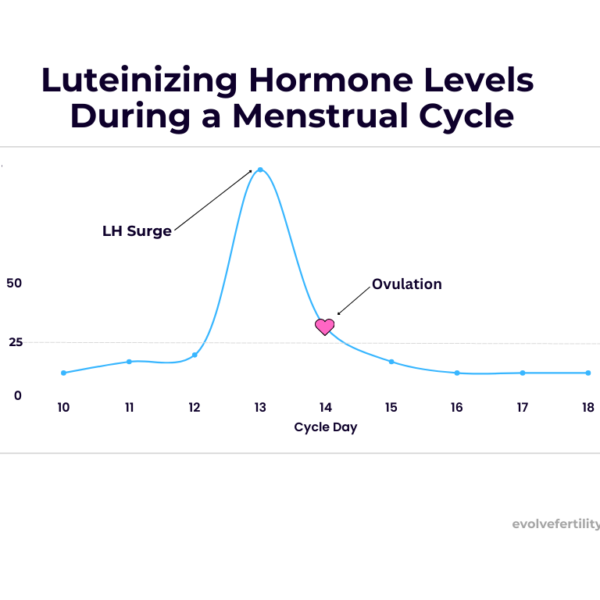
Ovulation tests detect the LH surge that occurs before ovulation, helping you identify your most fertile days and better understand your cycle. Whether you’re actively trying to conceive or simply tracking your cycle, ovulation testing provides a simple and reliable way to predict ovulation.
Pack Contents
- Each ovulation test strip is individually packaged in a foil pouch which contains a small desiccant pack to control moisture and humidity
- Instruction brochure is included for each pack
Why Customers Choose Evolve Fertility
✓ Fast Results
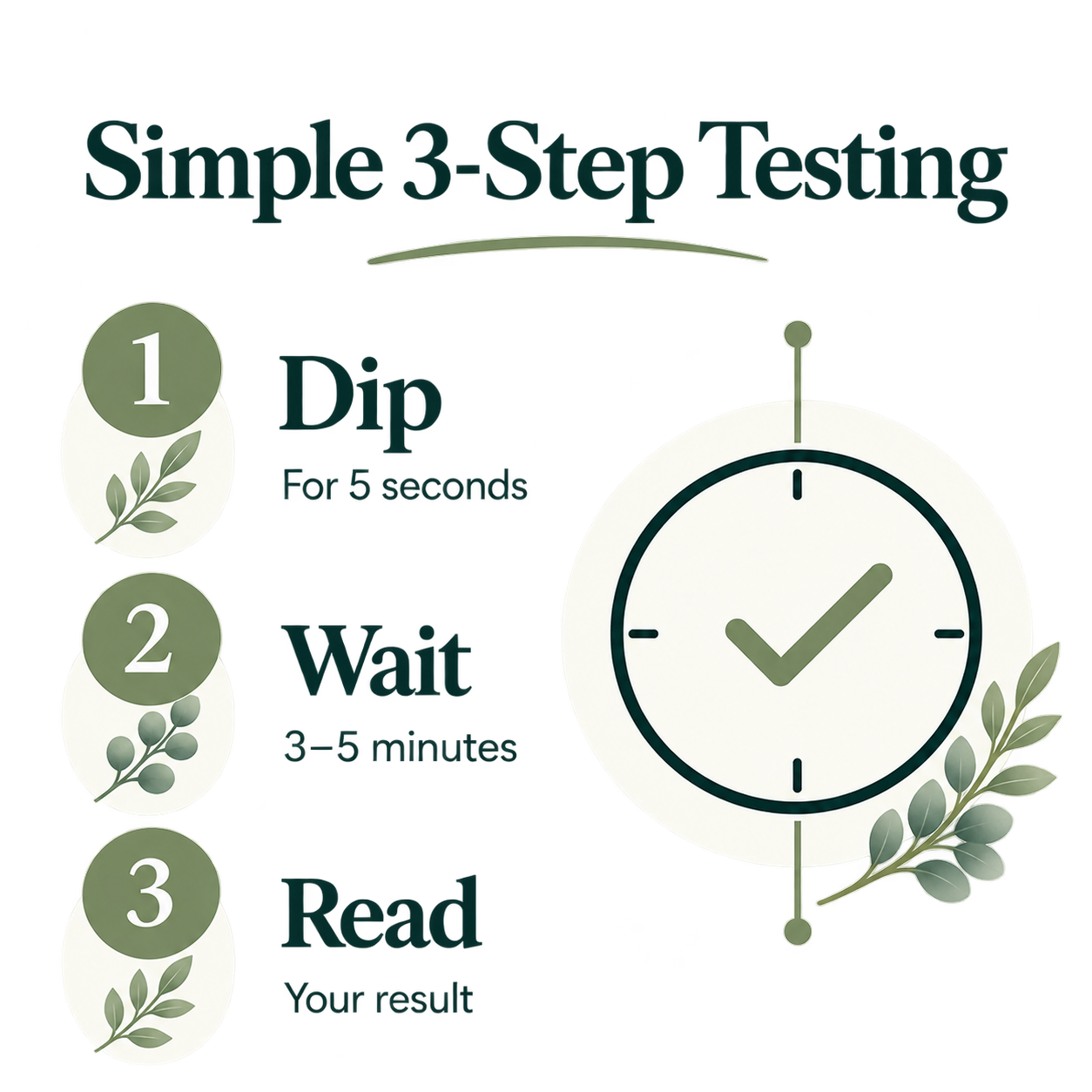
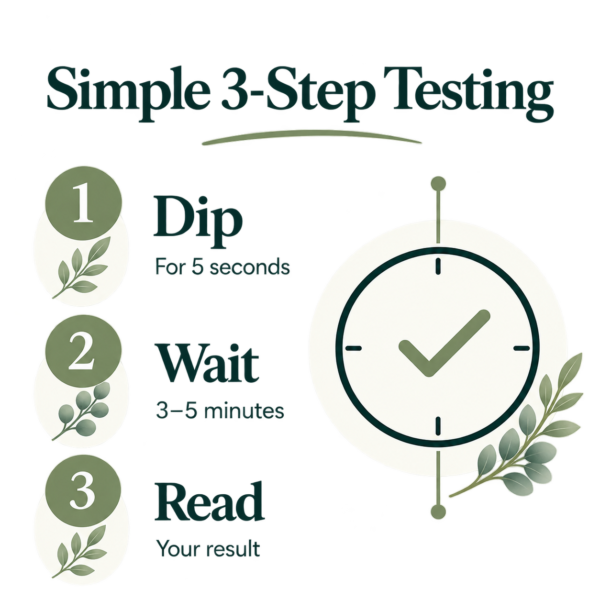
Results in just 3–5 minutes
✓ Easy to Read
Clear test and control lines
✓ Individually Packaged
Each test sealed in its own foil pouch
✓ Long Expiry Dates
Plenty of time to use your tests
✓ Discreet Shipping
Packed privately for delivery
✓ Trusted & Reliable
ARTG 429150
How To Accurately Interpret Ovulation Test Results:

C = Control Band – Indicates that test has absorbed enough urine to provide a result
T = Test Band – Indicates if the ovulation triggering Luteinizing Hormone (LH) is present.
 |
NEGATIVE: No LH surge detected |
 |
NEGATIVE: Test line is lighter than the control line. Continue testing. |
 |
POSITIVE: Test line is equal in colour to the control line – LH surge detected |
 |
POSITIVE: Test line is darker in colour than the control line – LH surge detected |
What To Do When An LH Surge Is Detected
A positive ovulation test means your body has detected a surge in Luteinising Hormone (LH). Ovulation typically occurs within the next 24 to 36 hours, making this your most fertile time.
If your test is positive:
✓ Have intercourse on the day you receive your positive result.
✓ Continue having intercourse over the following 1–2 days to maximise your chances of conceiving.
✓ You can stop testing once you’ve confirmed your LH surge and begin testing again in your next cycle if unsuccessful this time.
Tip: Because sperm can survive in the female reproductive tract for several days, having intercourse before and during ovulation may increase the likelihood of sperm being present when the egg is released.
Reviews
There are no reviews yet.