
There is a lot of ovulation tests currently being sold on popular online marketplaces at cheap prices.
Our research shows that these tests are more often than not, NOT REGULATED FOR SALE IN AUSTRALIA as they have not been listed on the ARTG as a medical device with TGA.
ALL ovulation tests supplied by Evolve Fertility are listed with TGA as medical devices – ARTG 429150
Australia has very strict guidelines on the sale of medical devices. If you choose to purchase cheaper tests, please be careful as the quality and accuracy is not known.
Yes, absolutely. Our tests are as good, if not better, than what you can buy elsewhere. Australia has very strict guidelines as to which medical devices are allowed on the market.
Being an online store, we don’t have the overheads that shops such as chemists and supermarkets do. Because we buy in large quantities and our tests aren’t packaged in fancy boxes, we are able to offer the tests at a much lower price.
Ovulation tests detect luteinizing hormone (LH). Just prior to ovulation, women experience a brief surge in luteinizing hormone. Ovulation tests help you pinpoint this surge and anticipate ovulation – your most fertile period in your cycle. Luteinizing hormone, in elevated amounts, is the actual hormone that causes you to ovulate (when the eggs is released from the ovarian follicle), so that is why LH tests are so effective in predicting your most fertile time.
Ovulation tests function differently to hCG pregnancy tests. A positive result (indicating an LH Surge) is indicated by a test band that is of equal to or greater in colour intensity (equal or darker) than the control band. A negative result for the LH Surge is indicated when the test band is of lesser intensity in colour (lighter) than the control band or cannot be seen.
Unlike pregnancy tests, morning (first morning urine) is not the best time to collect samples for ovulation tests, as LH is synthesized in your body early in the morning and will not appear in your urine until the afternoon. The ideal time to test is in the afternoon, after 12pm, though testing may safely take place from 10am to early evening. When you start seeing a faint test line appear, we recommend testing a couple of times each day so you can monitor for your LH surge.
Yes, be sure to test at the same time each day. Also, reduce your liquid intake around 2 hours before testing as a diluted liquid sample can prevent or hinder LH detection.
Ovulation usually occurs around 24-48 hours after the LH surge is first detected. 36 hours is the average timespan after detecting you LH surge.
To increase the chance of conception, it is best to have intercourse the day of the LH surge as well as following three days after.
To determine when to start testing, you must first determine the length of your menstrual cycle. The length of the menstrual cycle is the number of days from the first day of your period, to the day before bleeding begins on the next period.
Day 1 is the first day of you period.
Basal Body Temperature (BBT) Charting only indicates your LH surge after it’s happened. The BBT method is a great companion to ovulation tests.
Ovulation tests are designed to help you become pregnant. We don’t recommended to use the tests as a contraceptive method.
Some fertility drugs such as Clomid may cause false positives if you test for ovulation too early in your cycle. Please consult with your doctor about how to use ovulation tests in conjunction with Clomid – or other fertility and prescription drugs.
Featured Products
-
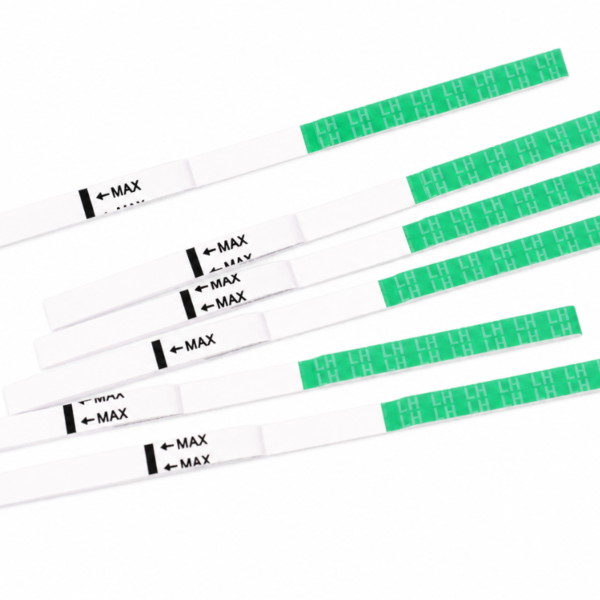 Ovulation Test Strips$1.50 – $52.95Price range: $1.50 through $52.95
 -
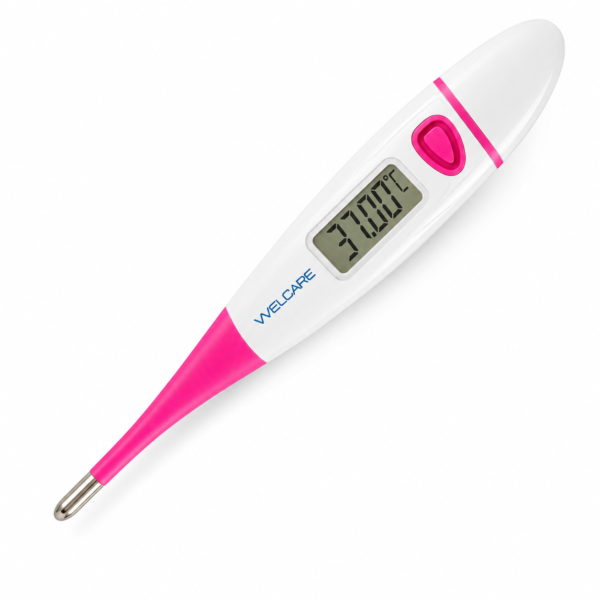 Digital Ovulation Thermometer$9.45
 -
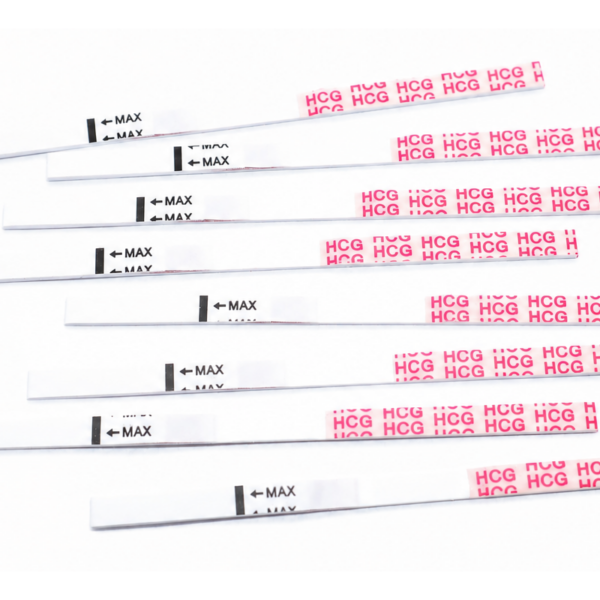 Pregnancy Test Strips$1.50 – $52.95Price range: $1.50 through $52.95