
Common Signs Of Ovulation
Learning to recognise the signs of ovulation can help you identify your fertile window, the time when you have the highest chance of getting pregnant. While not everyone experiences every sign, tracking these changes can provide valuable insights into your cycle.

Understanding your ovulation signs:

THE MOST COMMON SIGNS
AT A GLANCE

Egg white
cervical mucous

Positive ovulation
test

BBT
rise

Mild ovulation
pain
1. A Surge In Luteinizing Hormone
A surge in Luteinizing Hormone (LH) occurs shortly before ovulation and signals that an egg is likely to be released within the next 24–36 hours. This hormonal change can be detected using home ovulation predictor tests, helping you identify your most fertile days.

2. Changes In Cervical Mucous
As you approach ovulation, the cervical mucus (vaginal discharge) often becomes clearer, thinner, and more slippery, similar in consistency to raw egg whites. This type of mucus helps sperm travel more easily to the egg. After ovulation, the mucus typically becomes thicker and less noticeable.

3. Increased Basal Body Temperature (BBT)
Your basal body temperature, which is your body’s temperature at complete rest, rises slightly (about 0.3 to 0.6 degree Cel) right after ovulation. By tracking your BBT with a thermometer every morning before you get out of bed, you can confirm that ovulation has occurred.

4. Ovulation Pain (Mittelschmerz)
Some women feel a minor twinge, cramp or sharp pain on one side of their lower abdomen. This may be a sign that an egg has been released from the ovary.

5. Increased Libido
Hormonal changes around the time of ovulation can lead to an increased sex drive. Rising oestrogen levels during your fertile window may naturally enhance arousal and sexual desire as your body prepares for ovulation.

6. Breast Tenderness:
Hormonal changes, particularly increases in oestrogen and progesterone can cause breasts and nipples to feel sore, swollen or tender. This symptom is most common around ovulation and may continue into the luteal phase.

7. Light Spotting or Discharge
You might notice a small amount of light spotting or brownish discharge. This is not very common but can occur due to the hormonal shifts associated with ovulation.

8. Heightened Senses
Some people report an increased sense of smell, taste, or sight around the time of ovulation. These heightened senses are thought to be linked to hormonal changes during the fertile window.
9. Changes in Cervical Position
During ovulation, your cervix may feel higher, softer, and more open. This is a subtle sign that some women learn to track by checking their cervix with a clean finger.

10. Mild Bloating or Fluid Retention
Hormonal changes can sometimes cause a feeling of fullness or bloating. Some women may also notice mild swelling or fluid retention around the time of ovulation.

DID YOU KNOW?
Ovulation usually occurs around 12–16 days before your next period begins.

The Ovulation Phase In A Typical Cycle

Menstruation
Days 1 – 5
Period begins.

Follicular Phase
Days 1 – 13
Follicle develops

Ovulation
Around day 14
Egg is released

Luteal Phase
Days 15 – 28
Body prepares for pregnancy.
*Cycle lengths may vary. Ovulation can occur earlier or later in your cycle.
-
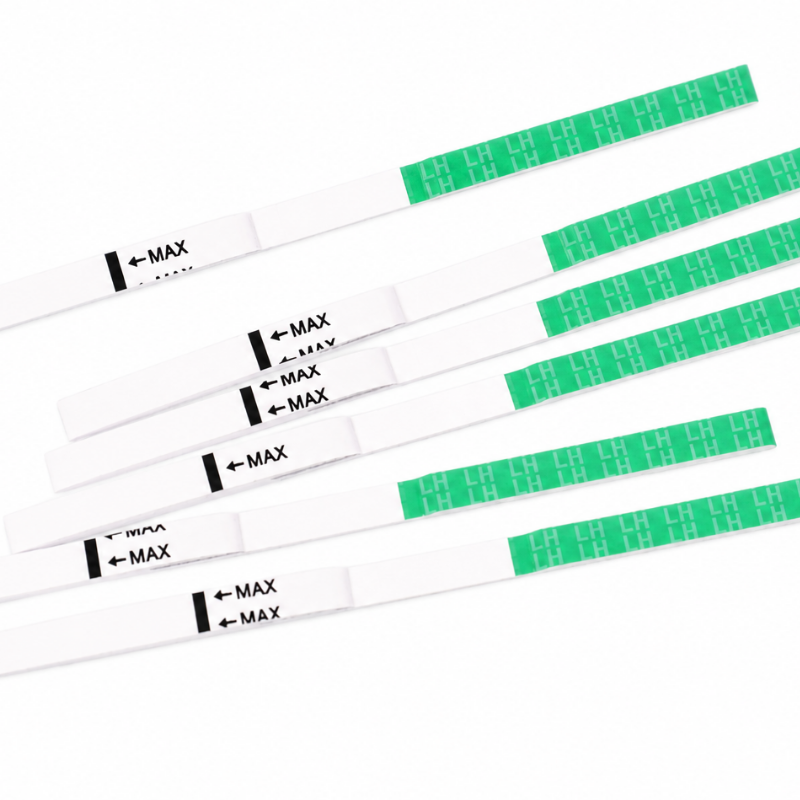
Ovulation Test Strips
Price range: $1.50 through $52.95 -
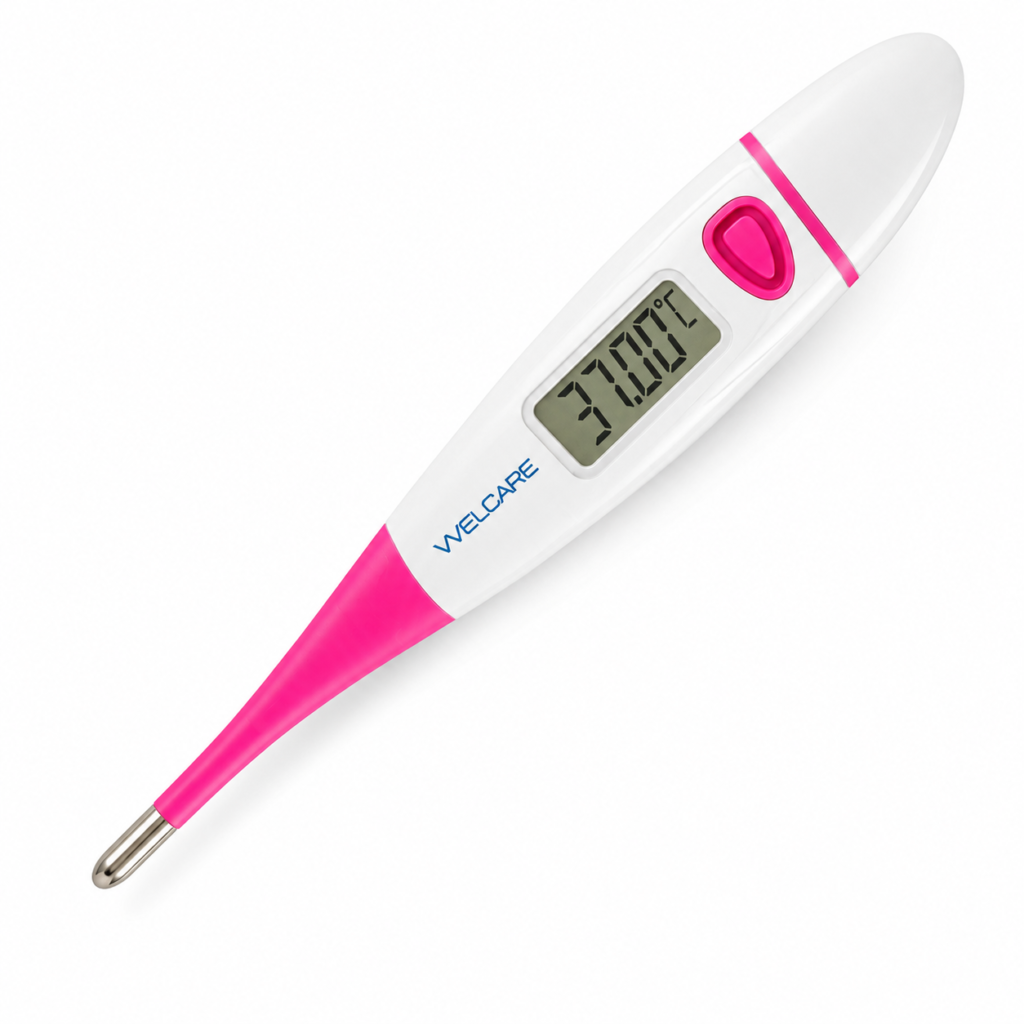
Digital Ovulation Thermometer
$9.45 -
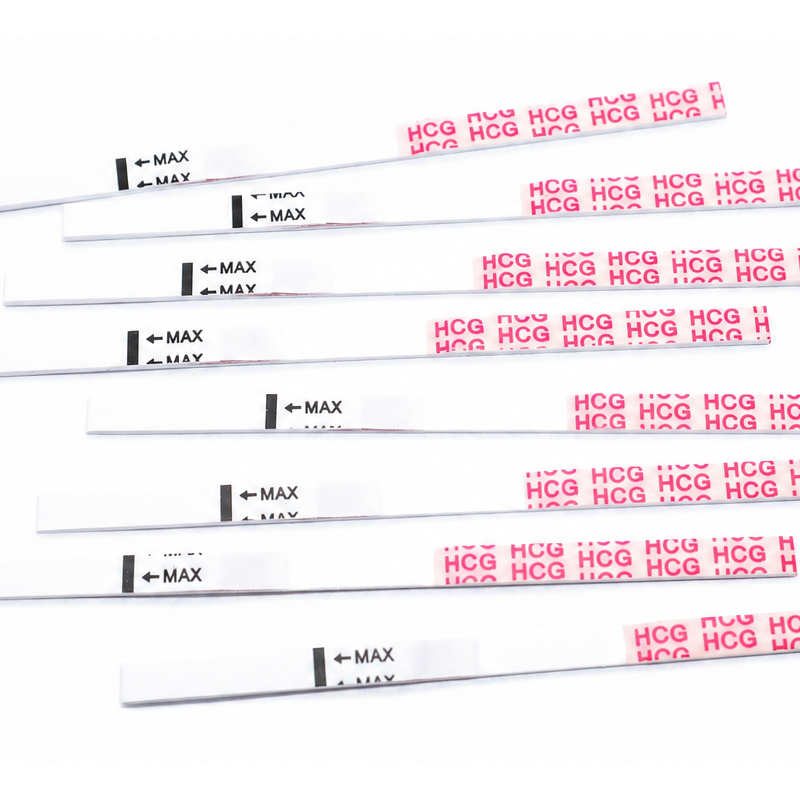
Pregnancy Test Strips
Price range: $1.50 through $52.95
Please note: This list is for informational purposes only. The most reliable ways to track ovulation are through methods like basal body temperature charting, ovulation predictor kits (OPKs), and by consulting with a healthcare provider.